

Aqaba Native Trees Atlas
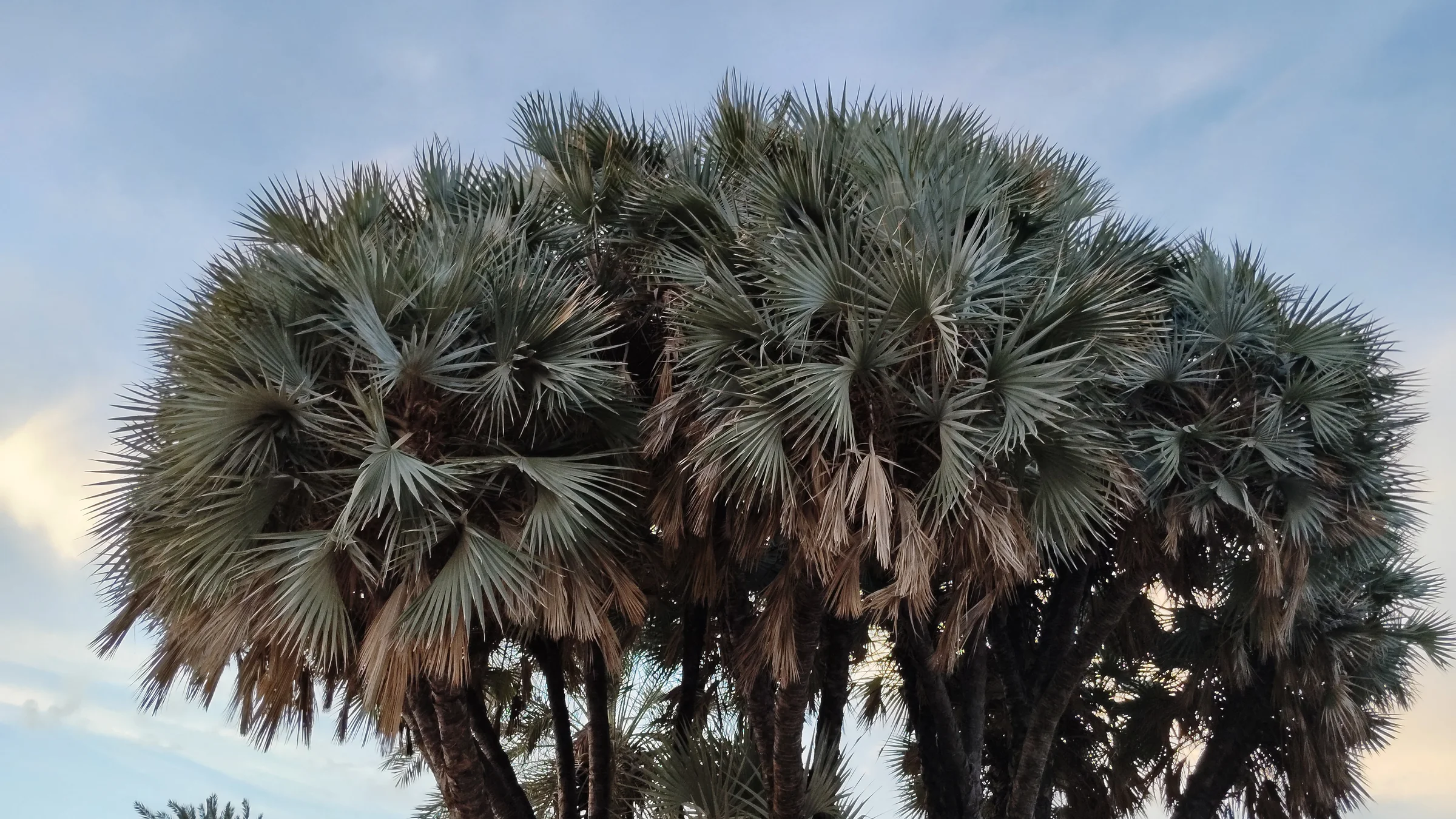
The Doum Palms of Aqaba
Documenting, monitoring and growing the city’s native trees
Aqaba Society for Environmental Sustainability (ASES) · October 2026
The species · Hyphaene thebaica
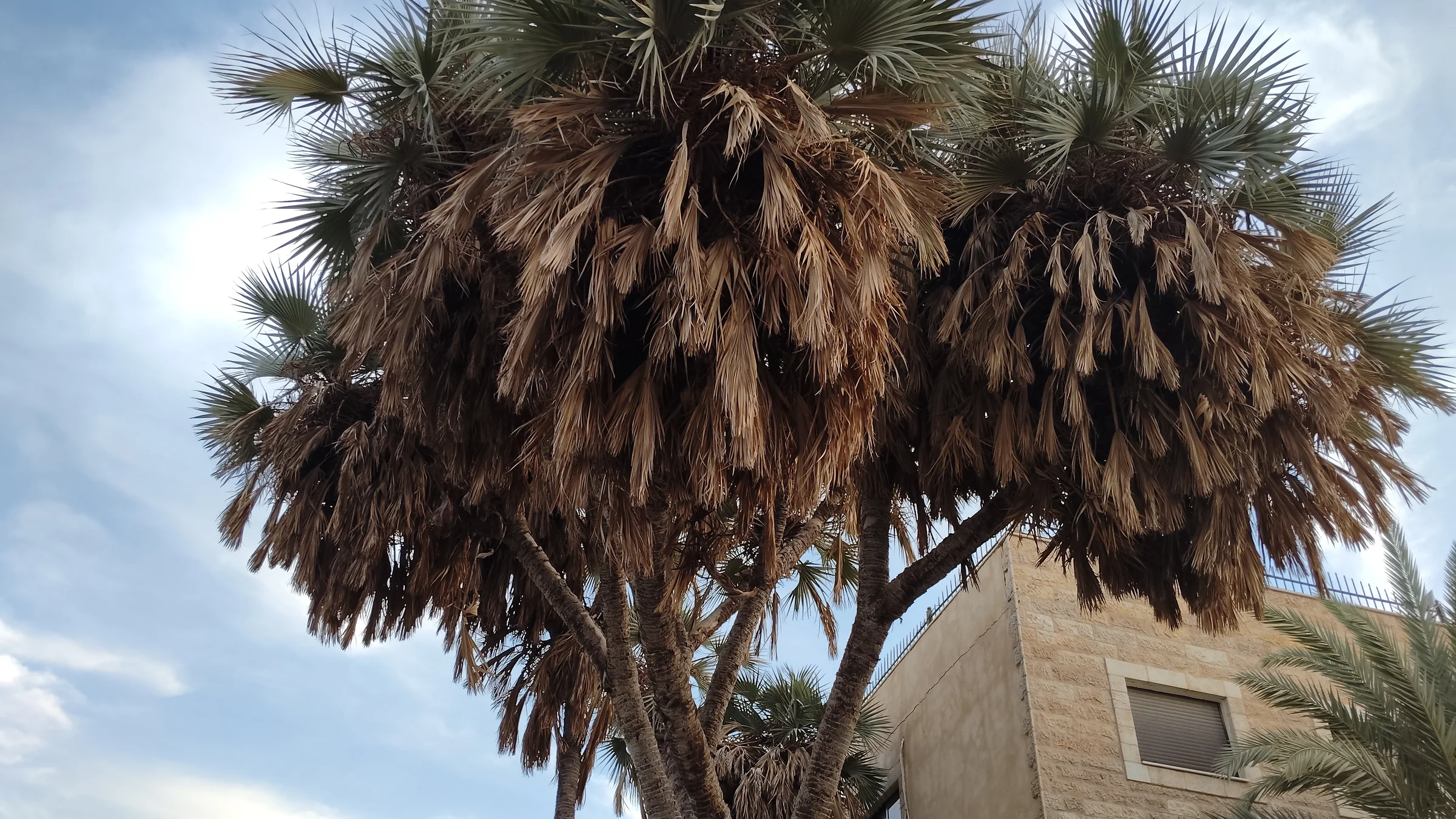
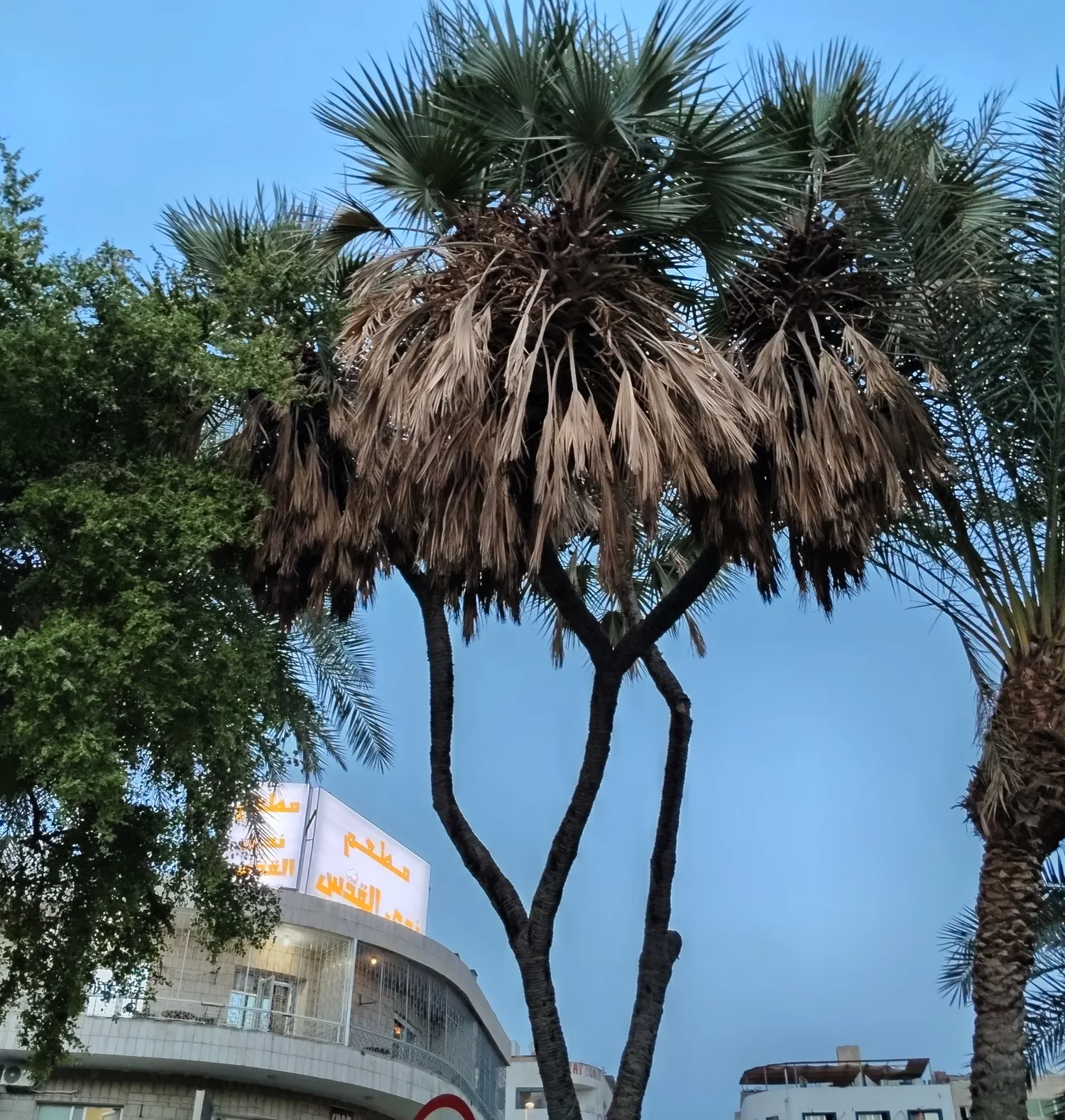
A palm that branches, and lives in the city
A branching trunk
The trunk forks in two, then each branch forks again, which is rare among palms.
Male and female trees
Only female trees bear the glossy brown fruit.
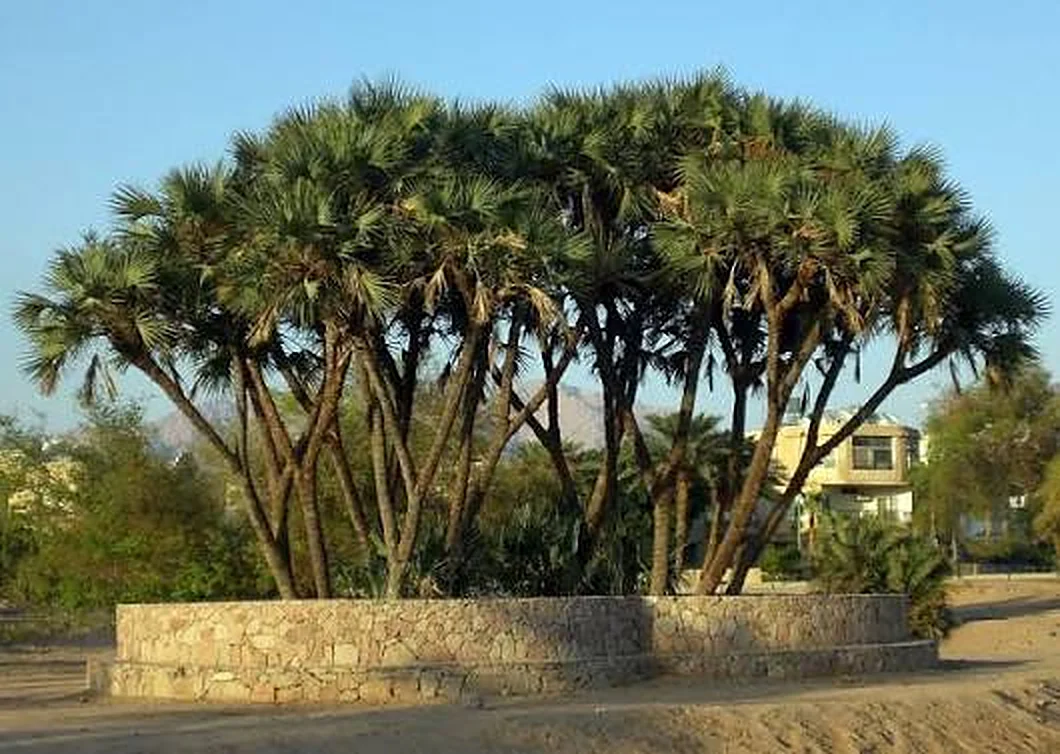
An urban native
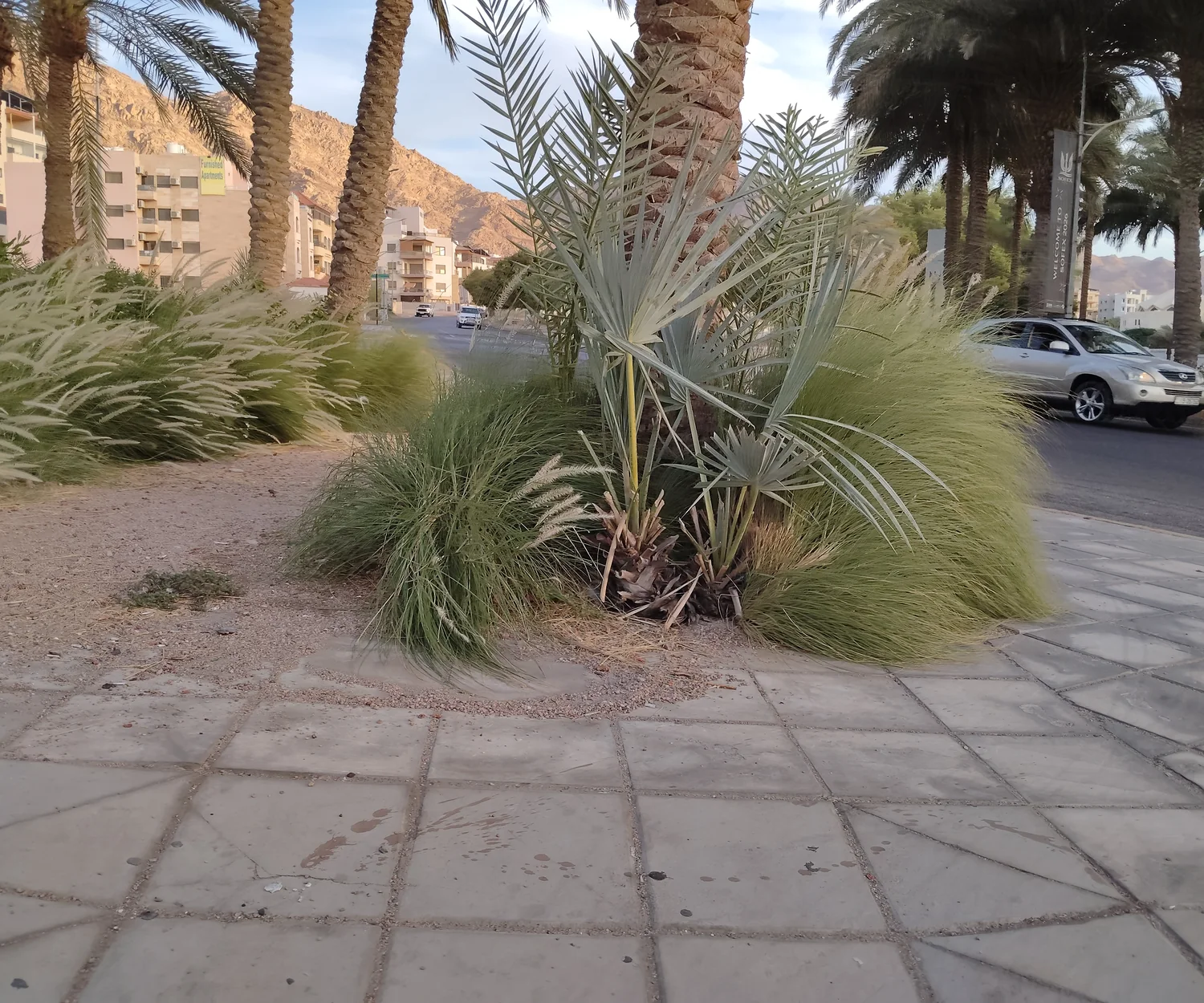
In Aqaba, doum palms grow along streets, in gardens and inside walled plots.

02

The gap
What is missing today
01
Where are they?
The trees are spread across streets, gardens and walled plots, with no single shared map.
02
How are they doing?
The health, age and sex of each tree are not yet recorded.
03
Who follows up?
There is no set routine for monitoring visits or for reporting a damaged tree.
03
Already in place
What ASES has already built
A field survey
Teams visited and photographed doum palms across Aqaba in October 2026.
A bilingual digital atlas
A scroll story and an interactive map, with a card for every tree, in Arabic and English.
A page for every tree
Each tree has its own link, ready for a QR sign placed beside it.


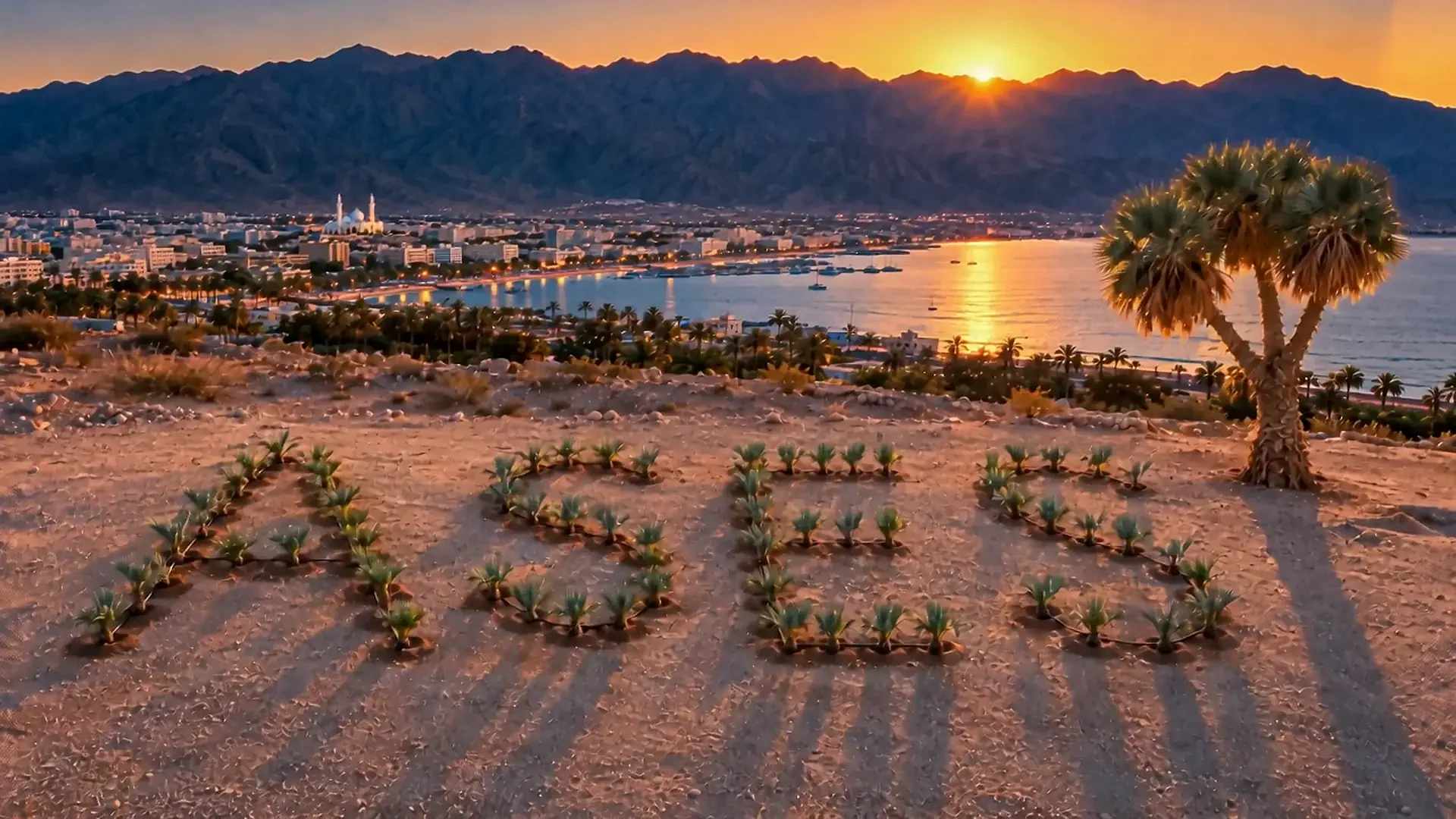
Scenes from the atlas story · artistic visualization
04
Live now
The atlas, on every screen
The doum story and map are live on the ASES website, in Arabic and English, on laptop and phone.
05
Already built
Inside the admin panel
ASES staff add trees, update photos and health, and choose what the public sees, from a laptop or straight from the field on a phone.
• Add, edit or archive a tree
• Health status and field visits
• Show or hide each detail
06
The map
10 doum palms mapped so far
07
Baseline
Building the health baseline
The first survey mapped 10 doum palms. Phase 1 completes a record for every tree.
Health status
Healthy, needs monitoring, damaged or dead
Estimated age
With the method of estimation noted
Male or female
Fruit-bearing trees identified
Height and branches
Measured, and photographed at every visit
08

The plan
Our approach: three pillars
Document and monitor
- Complete the survey of every doum palm
- Quarterly health checks, logged in the atlas
- QR signs that invite reports from the public
Propagate and plant
- Collect seeds and raise seedlings in a nursery
- Plant at selected public sites
- Track the survival of every seedling
Engage the community
- Train volunteers as tree monitors
- School visits and youth activities
- Open the atlas to residents and visitors
09
The system
How monitoring will work
01
Field visit
The survey team checks the tree and photographs it
02
Admin panel
Health, photos and notes are updated
03
Public atlas
The tree’s page shows what ASES chooses to publish
04
QR sign
Visitors scan it at the tree and learn its story
05
Reports
Anyone can flag damage or a tree that is missing
Reports feed the next field visit, closing the loop. The same system serves every native species: a new tree type is added from the admin panel, with no new code.
10
Proposed timeline
Workplan: 18 months
11
Impact
Measurable results
12
Scaling up
Built for all of Aqaba’s native trees
Doum · now
Sidr
Arak
Acacia
Mangrove
Contributes to the Sustainable Development Goals
SDG 11
Sustainable cities and communities
SDG 13
Climate action
SDG 15
Life on land
SDG 17
Partnerships for the goals
In line with Jordan’s national biodiversity and climate commitments.
13
Partnership
Partnering to protect Aqaba’s doum palms
What the project needs
Funding and technical partners for an 18-month programme. A detailed budget is available on request.
Partners
Open to working with ASEZA, schools, universities and local businesses.
Contact

Scan to explore the Aqaba Native Trees Atlas